How to select filters
2024-04-08

When it comes to selecting filters for your devices, whether it's for your camera, air purifier, or water filtration system, it's important to choose the right one to ensure optimal performance. With so many options available on the market, it can be overwhelming to make the right choice. In this article, we will discuss how to select filters that best suit your needs.
1. Identify your needs
The first step in selecting a filter is to identify your specific needs. What are you trying to filter out? Is it dust, pollen, bacteria, or chemicals? Different filters are designed to target different contaminants, so it's important to know what you're trying to filter before making a decision. Consider conducting a test to determine the specific pollutants present in your environment.
2. Understand the types of filters
There are several types of filters available, each with its own pros and cons. Here are some common types of filters:
- Mechanical filters: These filters physically trap contaminants as air or water passes through them. They are effective at removing larger particles but may not be as efficient at capturing smaller particles.
- Activated carbon filters: These filters use activated carbon to adsorb impurities from air or water. They are effective at removing odors, chemicals, and volatile organic compounds.
- HEPA filters: High-efficiency particulate air (HEPA) filters are designed to capture 99.97% of particles that are 0.3 microns or larger. They are highly effective at removing allergens, dust mites, and mold spores.
- UV filters: UV filters use ultraviolet light to kill bacteria, viruses, and other microorganisms. They are often used in water filtration systems to disinfect water.
3. Consider the filter's efficiency
When selecting a filter, it's important to consider its efficiency in removing contaminants. Look for filters that are certified by reputable organizations, such as the National Sanitation Foundation (NSF) or the Environmental Protection Agency (EPA). These certifications ensure that the filter meets specific standards for performance and quality.
4. Check the filter's compatibility
Before purchasing a filter, make sure it is compatible with your device. Some filters are designed to work with specific models or brands, so it's important to check the specifications before making a purchase. Additionally, consider the filter's lifespan and replacement schedule to ensure optimal performance.
5. Compare prices
Lastly, compare prices among different brands and retailers to find the best deal. Keep in mind that higher-priced filters are not always better, so it's important to consider the filter's performance and efficiency in relation to its cost. Look for discounts, promotions, or bulk deals to save money on filters.
In conclusion, selecting the right filter is essential for maintaining the performance and longevity of your devices. By identifying your specific needs, understanding the types of filters available, considering efficiency, checking compatibility, and comparing prices, you can make an informed decision when choosing filters for your devices. Remember to regularly replace filters according to the manufacturer's recommendations to ensure optimal performance.
TAG:
News
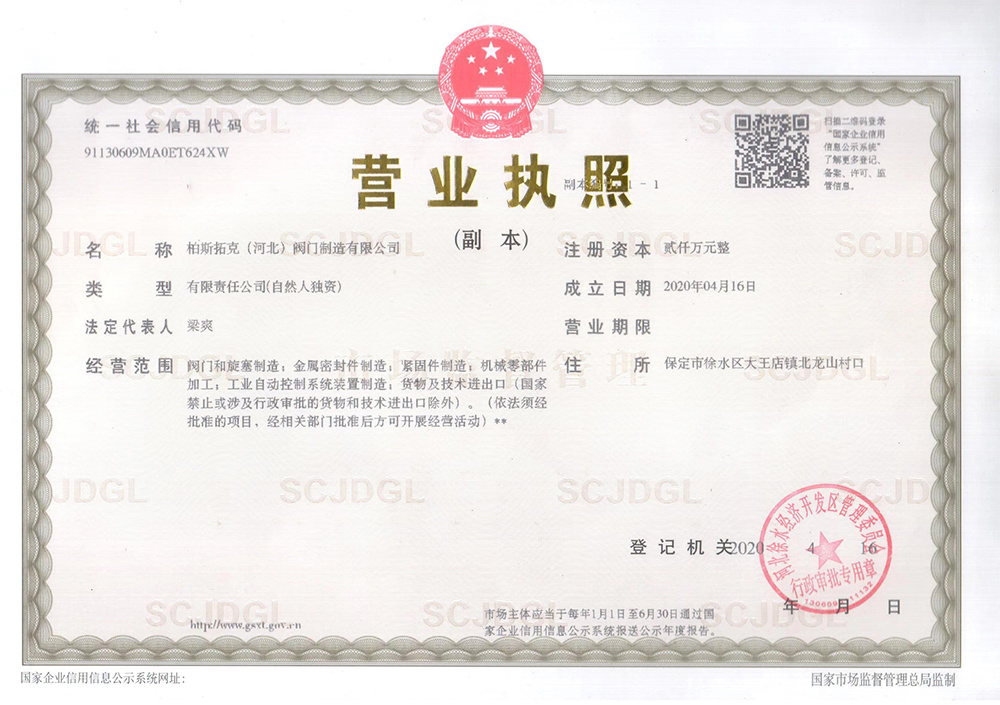
BESTOK (Hebei) Valve Manufacturing Co.,Ltd.
North Longshan, Dawangdian town, Xushui district,Baoding, Hebei province, China.
Message