How to maintain the valve
2024-04-08

Valves play a crucial role in controlling the flow of liquids or gases in various industrial systems. Proper maintenance of valves is essential to ensure their efficient and reliable operation. In this article, we will discuss some important tips on how to maintain valves to extend their lifespan and prevent costly breakdowns.
1. Regular inspections
Regular inspections are critical in identifying any potential issues with valves before they escalate into major problems. Check for any signs of leaks, corrosion, or wear and tear on the valve body, stem, and seals. Inspect the valve actuator, including the motor, gearbox, and controls, to ensure they are functioning correctly. Any abnormalities should be addressed promptly to prevent further damage.
2. Lubrication
Proper lubrication is essential for the smooth operation of valves. Apply a suitable lubricant to the valve stem, seals, and other moving parts according to the manufacturer's recommendations. Over time, the lubricant can degrade or dry out, leading to increased friction and wear on the valve components. Regularly lubricating the valves will help reduce friction, prolong their lifespan, and prevent them from becoming stuck or jammed.
3. Cleaning
Valves can accumulate dirt, debris, and other contaminants over time, affecting their performance. Regular cleaning of valves is necessary to remove any buildup that may interfere with their operation. Use a mild solvent or cleaning solution to clean the valve body, seat, and seals. Be careful not to damage the valve components during cleaning, and ensure that the valves are thoroughly dried before reassembly.
4. Calibration
Valve calibration is essential to ensure accurate and precise control of flow rates. Improperly calibrated valves can result in over- or under-flowing of liquids or gases, leading to inefficiencies or process disruptions. Periodically calibrate the valves using the appropriate tools and procedures to maintain their performance within the specified tolerances. Adjust the valve settings as needed to achieve the desired flow rates and operating parameters.
5. Leak detection
Leaks in valves can waste valuable resources, compromise system integrity, and pose safety hazards. Regularly check valves for any signs of leaks, such as dripping, hissing, or moisture around the connections. Use leak detection methods, such as ultrasonic testing or pressure testing, to identify and locate any leaks in the valves. Repair or replace any leaking valves promptly to prevent further damage and ensure the system operates efficiently.
6. Training and documentation
Properly trained personnel are essential for the effective maintenance of valves. Provide training to operators, technicians, and maintenance staff on how to inspect, lubricate, clean, calibrate, and troubleshoot valves. Create and maintain detailed documentation on the valve maintenance procedures, schedules, and records. Keep track of the maintenance history of valves to identify trends, track performance, and plan for future maintenance activities.
In conclusion, maintaining valves is essential to ensure their reliable and efficient operation in industrial systems. By following these tips on regular inspections, lubrication, cleaning, calibration, leak detection, training, and documentation, you can extend the lifespan of valves, prevent costly breakdowns, and optimize the performance of your systems. Remember that proactive maintenance is key to minimizing downtime, maximizing productivity, and ensuring the safety of your operations.
TAG:
News
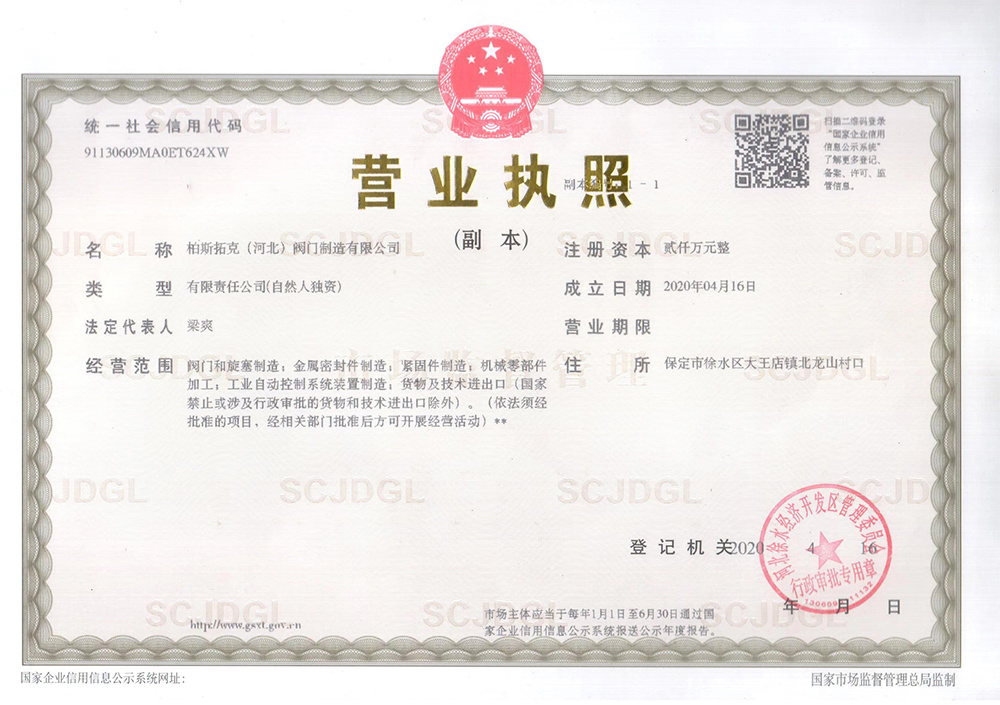
BESTOK (Hebei) Valve Manufacturing Co.,Ltd.
North Longshan, Dawangdian town, Xushui district,Baoding, Hebei province, China.
Message