How to select valves
2024-04-08

Valves are crucial components in various industries, playing a vital role in controlling the flow of liquids, gases, and other substances. With so many different types of valves available on the market, selecting the right one for your specific needs can be a daunting task. In this article, we will provide you with a comprehensive guide on how to select valves that best suit your requirements.
1. Understand the application
The first step in selecting the right valve is to understand the application in which it will be used. Consider factors such as the type of fluid or gas being controlled, the operating pressure and temperature, flow rate requirements, and any special conditions that may affect valve performance. For example, if you are dealing with highly corrosive or abrasive substances, you will need a valve that is designed to withstand these harsh conditions.
2. Choose the right type of valve
There are many different types of valves available, each with its own unique features and benefits. Some common types of valves include ball valves, gate valves, globe valves, butterfly valves, and check valves. The type of valve you choose will depend on factors such as the flow characteristics of the fluid or gas, the need for throttling or on/off control, and the space limitations of your application.
3. Consider material compatibility
Valves are available in a wide range of materials, including stainless steel, brass, bronze, PVC, and carbon steel. It is important to consider the compatibility of the valve material with the fluid or gas being controlled to ensure optimal performance and longevity. For example, if you are working with a corrosive substance, you will need a valve made from a material that is resistant to corrosion.
4. Evaluate the pressure and temperature ratings
Another important factor to consider when selecting valves is the pressure and temperature ratings. Make sure to choose a valve that can handle the maximum pressure and temperature conditions of your application to prevent leaks, malfunctions, or other issues. It is also important to consider factors such as pressure drops, flow velocities, and cavitation when determining the appropriate pressure and temperature ratings for your valves.
5. Consider maintenance requirements
Regular maintenance is essential to ensure the long-term performance and reliability of valves. When selecting valves, consider factors such as ease of maintenance, availability of spare parts, and the frequency of maintenance required. Some valves may require more frequent maintenance than others, so it is important to factor this into your decision-making process.
6. Seek expert advice
If you are unsure about which valve is best suited for your application, do not hesitate to seek expert advice. Consulting with a valve manufacturer or supplier can help you navigate the complex world of valves and make an informed decision. They can provide valuable insights and recommendations based on their experience and expertise in the industry.
In conclusion, selecting the right valve for your specific needs requires careful consideration of factors such as application requirements, valve type, material compatibility, pressure and temperature ratings, maintenance requirements, and expert advice. By following the guidelines outlined in this article, you can confidently choose valves that will meet your performance, reliability, and safety needs.
TAG:
News
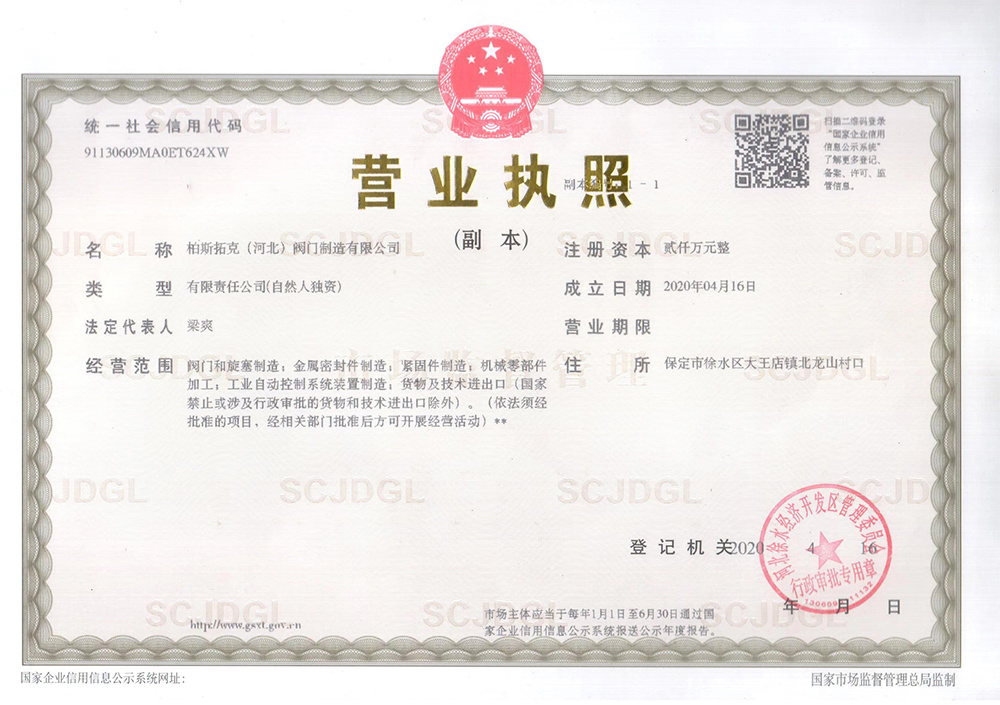
BESTOK (Hebei) Valve Manufacturing Co.,Ltd.
North Longshan, Dawangdian town, Xushui district,Baoding, Hebei province, China.
Message